How to care for your feet at home between visits
Simple habits to keep your feet looked after between visits, avoid hard skin and discomfort, and know when it's worth seeing a professional.
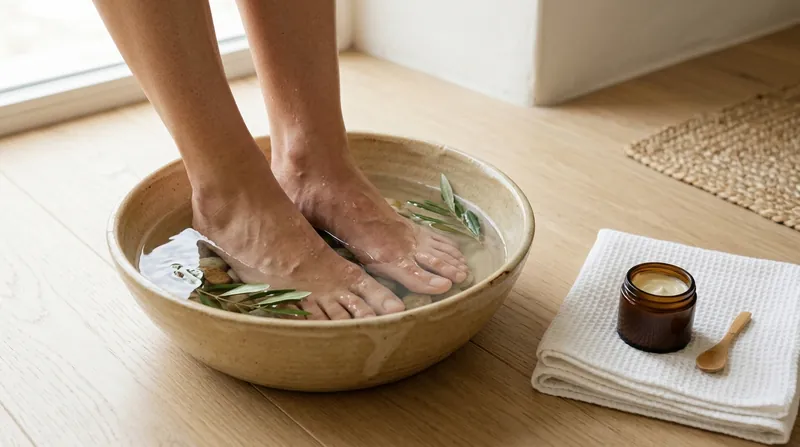
Our feet take us everywhere, and we tend to remember them only when they hurt. With a few simple habits, the same ones podiatry services recommend, it's easier to keep them cared for between visits.
Wash and dry them well
Wash them every day and dry them thoroughly, especially between the toes, after a shower or swimming. Pat them with the towel rather than rubbing. Moisture left between the toes encourages fungi, such as athlete's foot.
In changing rooms and shared showers, wear flip-flops: walking barefoot where someone else has a fungal infection is a common way of catching it.
Moisturise, but not between your toes
If the skin on your feet is dry, apply a moisturising cream, for example before bed, paying special attention to your heels and rough areas. Keeping the skin supple helps calluses bother you less.
Avoid putting it between your toes: that area needs to stay dry so as not to encourage fungal infections.
If you have calluses, you can soften them with warm water and gently file them with a pumice stone or a foot file. What you shouldn't do is cut them yourself with blades or scissors.
Cut your nails, but not too short
To reduce the risk of ingrown nails, the most important thing is not to cut them too short and not to trim the corners inwards. The Official College of Podiatrists of the Valencian Community recommends following the natural shape of each nail and cutting them after washing your feet, when they are softer.
If you find it hard to reach your feet, your nails are very thick or they often become ingrown, it's better to have a professional do it.
Choose your shoes and socks carefully
- Shoes that fit well, don't pinch and let your toes move. Narrow, pointed or high-heeled shoes encourage calluses, corns and ingrown nails.
- Clean socks every day, preferably cotton.
- Alternate pairs so you don't wear the same shoes two days in a row and they can air out properly.
- Don't share towels, socks or shoes.
When should you ask for help?
See your doctor or a podiatrist if you notice any of the following:
- Pain that doesn't improve or that stops you going about your daily life.
- An ingrown nail with a red, swollen or pus-filled area, or a wound that won't heal.
- A callus or corn that bleeds, oozes or doesn't improve after about 3 weeks of home care.
- Fever or feeling generally unwell together with any of the problems above.
- Changes in your skin or nails that you can't explain.
If you have diabetes, circulation problems or a weakened immune system, don't treat calluses, corns or ingrown nails yourself: foot problems can become more complicated, so it's best to have them checked by a healthcare professional.
For regular maintenance and calluses, at Tana we offer a foot care service. And if we see something that needs a different assessment, we'll tell you.
Sources
- Corns and calluses — NHS (UK National Health Service)
- Ingrown toenail — NHS
- Athlete’s foot — NHS
- Verrucae — Royal College of Podiatry
- How should you cut your toenails so they don't become ingrown? Best by following their natural shape — Maldita.es, with recommendations from the Official College of Podiatrists of the Valencian Community
General information for educational purposes. It does not replace an assessment by a professional: if you have questions about your case, ask us.