Your skin in autumn: how to prepare for the change of season
After summer, skin tends to be drier and duller. We explain how to care for it at home and which treatments suit this time of year.
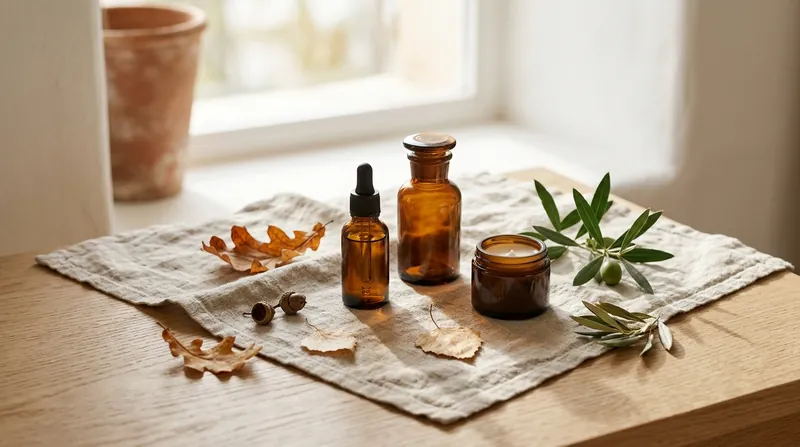
The sun, pool water and air conditioning are among the main culprits behind dry skin in summer, according to the American Academy of Dermatology (AAD). When autumn arrives, central heating and drier indoor air also draw moisture from the skin. That's why it's common to notice it feeling drier and looking duller. It's a good time to give it a boost.
At home
- Gentle cleansing, morning and night. Use a small amount of a mild, fragrance-free cleanser and don't rub your skin.
- Daily moisturising, suited to your skin type. Apply it right after washing, while your skin is still slightly damp, to lock in moisture better.
- Lukewarm water, not hot. Short showers (5 to 10 minutes) and pat yourself dry.
- Sunscreen all year round. Ultraviolet rays are present in every season and up to 80 % pass through clouds. The AAD recommends a broad-spectrum sunscreen with SPF 30 or higher on skin not covered by clothing, reapplied every two hours if you stay outdoors or after sweating or swimming.
- If you have the heating on, a humidifier in the bedroom can help stop the air drying out your skin so much.
In the treatment room
Professional treatments can improve the appearance of your skin, although results vary from person to person and usually need several sessions.
- Facial cleanse or hydrodermabrasion. Hydrodermabrasion is a variant of microdermabrasion, a gentle, non-invasive exfoliation of the skin's surface. According to the AAD, after a series of sessions microdermabrasion can leave the skin looking smoother, brighter and more even.
- Dermapen (microneedling). According to the AAD, microneedling can improve the appearance of acne scars, enlarged pores, fine lines and uneven tone or texture. The improvement is gradual, can take months to show fully and usually requires several sessions. It's normal for the skin to be red, sensitive or slightly swollen for a few days.
- Facial Glow or other facials: we'll recommend one or another depending on what your skin needs.
Why now? Before microneedling it's best not to be tanned or have recent sunburn, and afterwards you need to protect your skin from the sun. In autumn and winter we usually get less sun, so it's easier to do both. And remember: sunscreen is still essential after any treatment.
Microneedling isn't suitable in every case. Let us know if you have an infection or inflamed spots in the area, a tendency to form keloids or to scar badly, a weakened immune system, or if you've taken isotretinoin in the last month.
When should you see a dermatologist?
Some situations aren't for a beauty treatment room, but for a medical specialist:
- Dryness or itching doesn't improve despite looking after your skin: there may be atopic dermatitis, psoriasis or another medical cause behind it.
- You have a mole or a mark that changes in size, shape or colour, or that bleeds.
- A rash, a wound that won't heal or a reaction appears after a product or treatment.
Where do I start?
If you're not sure what to choose, book a facial assessment with a personalised treatment: we analyse your skin, tell you what to expect from each option and apply what it needs in the same appointment. And if we see something a dermatologist should assess, we'll tell you.
Sources
- 12 summer skin problems you can prevent — American Academy of Dermatology
- Dermatologists’ top tips for relieving dry skin — American Academy of Dermatology
- Dry skin: Overview — American Academy of Dermatology
- Sunscreen FAQs — American Academy of Dermatology
- Microdermabrasion: Overview — American Academy of Dermatology
- Microneedling can fade scars, uneven skin tone, and more — American Academy of Dermatology
General information for educational purposes. It does not replace an assessment by a professional: if you have questions about your case, ask us.